The Hidden Weight of Leaving Your Comfort Zone
I remember sitting entirely alone on my living room floor, surrounded by towering piles of unorganized paperwork and half-filled suitcases. My chest felt incredibly tight, and my mind was racing a million miles a minute. I had always dreamed of moving abroad, but the actual physical process was turning into a complete nightmare.
I kept asking myself if I was making a huge mistake, wondering how I would ever manage to get everything done on time. The excitement of becoming an expat was quickly fading, replaced by a heavy, suffocating anxiety. I just wanted someone to hand me a simple, honest roadmap to follow.
If you are planning a move overseas, you probably know exactly what I am talking about. The sheer volume of tasks can completely freeze you in your tracks. You wake up in the middle of the night panicking about forgotten visas, expiring bank cards, or housing scams.
It feels like a second full-time job, draining your energy and stealing your peace of mind before the journey even begins. Instead of celebrating this amazing life change, you are drowning in endless internet searches and confusing government websites.
Your friends and family notice you are constantly stressed, snapping at small things because your brain simply has zero free space left. The truth is, nobody teaches us how to pack up our entire lives and move across the world.
We are expected to just figure it out, which leads to expensive mistakes and emotional burnouts. But you do not have to go through this transition feeling entirely overwhelmed and exhausted. Let me show you exactly how to take back control of your move.
Designing Your Fail-Proof Relocation Blueprint
Moving to a new country is basically a massive project management task. If you try to keep all the details inside your head, you will fail. We need to break this giant mountain into small, easily walkable steps.
Let's organize your final months at home in a way that actually makes sense. By following a structured approach, you can eliminate the panic and start enjoying the countdown to your new life.
Conquering the Document and Visa Maze
Let's talk about the most boring but necessary part of moving abroad. Your official documents are your lifeline in a completely new country. Without the right paperwork, simple things like renting a home or getting internet will be impossible.
You must organize everything several months in advance. Think of your document folder as your personal key to the city. If you lose it or forget something, you are essentially locked out of the system.
I highly suggest creating both physical and digital backup systems right now. Buy a fireproof, waterproof folder for the original hard copies like birth certificates, degrees, and marriage licenses. Then, scan every single page and upload it to a highly secure cloud drive.
Give a trusted family member access to this drive just in case you lose your phone or laptop. Imagine standing at the immigration counter after a fourteen-hour flight, completely exhausted. The officer suddenly asks for your professionally translated medical records.
If you have it neatly tabbed in your carry-on folder, you walk right through. If you packed it in your checked luggage, you are in for a miserable, stressful wait. Always keep your essential papers directly on you during the flight.
Building a Borderless Financial Strategy
Money matters can get incredibly complicated the moment you cross international borders. Your home bank might block your cards the second you try to buy a sandwich in a new country. Setting up an international banking strategy is an absolute must before you fly.
You need a reliable way to access your funds without paying ridiculous currency conversion fees. Research online financial platforms that offer multi-currency accounts to travelers and expats. These services allow you to hold money in different currencies and exchange them at very fair rates.
I learned this the hard way when I lost a huge chunk of my savings to hidden bank charges during my first month abroad. I now use a dedicated travel card for all my daily expenses, and it has saved me hundreds of dollars over time. This small change completely fixed my money anxiety.
You also need to inform your current local bank about your permanent move. Tell them exactly where you are going and exactly how long you will be away so they do not flag your account for fraud.
Do not forget to research your tax obligations back home. Many future expats assume they automatically stop paying taxes the moment they board the plane, which is completely false. Consult a tax professional who understands international laws to avoid massive penalties later.
Prioritizing Your Health and Medical Readiness
Your physical well-being should be at the very top of your priority list right now. Getting sick in a foreign country without proper insurance is a terrifying experience. You need a solid health plan before you ever set foot on the plane.
Check out this fantastic breakdown of how to choose the perfect international health insurance plan without getting scammed.
Before you pack a single bag, schedule full check-ups with your primary doctor, dentist, and eye specialist. Get all your necessary ongoing prescriptions filled for at least six months if your doctor allows it.
Some daily medications that are perfectly legal in your home country might be strictly banned in your new destination. Always check the official local embassy website to be completely sure you are not carrying banned substances.
If you wear glasses or contact lenses, bring a spare pair in your carry-on bag. Finding a good optometrist in a language you do not speak is an unnecessary headache during your first month.
Securing Your Initial Landing Pad
Where exactly are you going to sleep on your very first night abroad? This single question causes more sleepless nights than almost anything else. Many future expats try to rent long-term apartments online before they even arrive in the country.
This is a massive risk you should never take. Pictures on the internet can be incredibly deceiving and easily photoshopped. That "quiet, charming studio" might actually be located right next to a noisy nightclub or a massive construction site.
Instead, book a temporary short-term rental or a comfortable hotel for your first two to four weeks. This gives you a safe, clean landing pad to rest and recover from severe jet lag. Once you are physically there, you can walk around different neighborhoods at different times of the day.
You get to feel the local vibe, check the real commute time, and actually see the apartments in person. Renting in person also helps you avoid common online housing scams that heavily target confused foreigners.
The Art of Strategic Packing
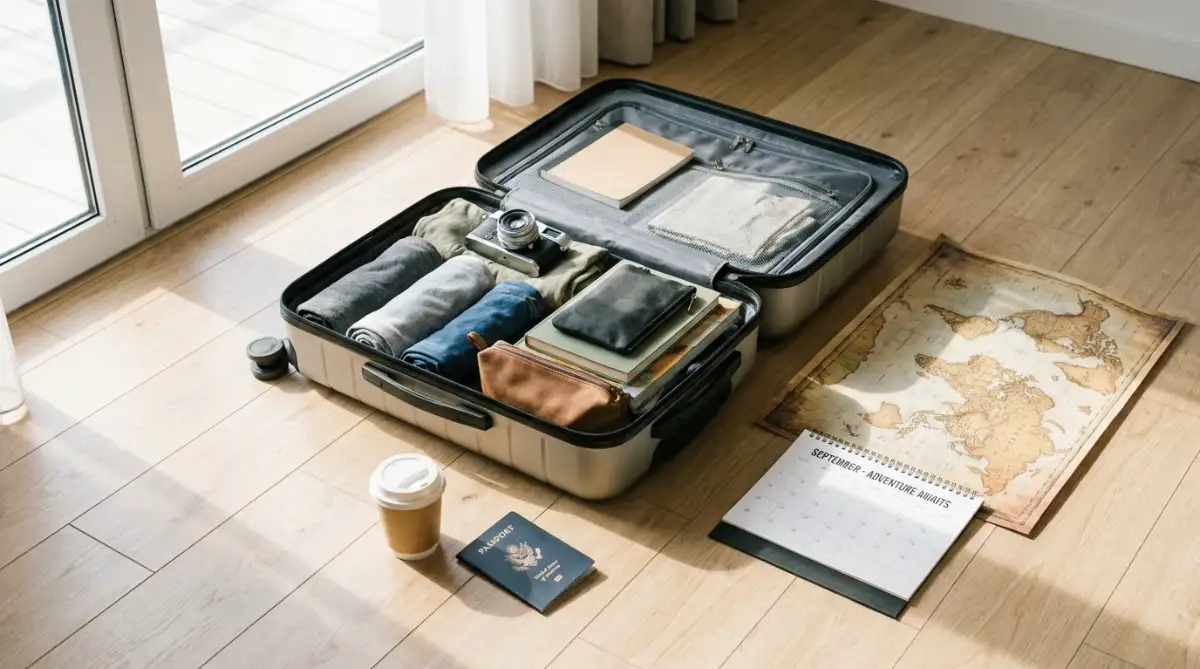
Let's talk about packing your actual suitcases, which is where most people completely lose their minds. Most people pack for every possible weather scenario and emergency, which is a huge mistake. You can buy almost everything you need in your new country.
Things like basic toiletries, heavy winter coats, and standard household items just take up valuable luggage weight. Pack only the items that are strictly impossible to replace or highly expensive. This includes sentimental items, specific electronics you use for work, and clothes that make you feel truly confident.
Try the simple "one in, one out" packing method to keep your luggage under control. If you decide to pack an extra pair of shoes, you have to take out a bulky sweater. This keeps you entirely honest and prevents you from paying those ridiculous excess baggage fees at the airport counter.
Think of your suitcase as prime real estate. Every single item inside must earn its spot by being highly useful or deeply meaningful to you.
Managing Subscriptions and Digital Life
We live in a highly digital age, and your online life needs to move with you. Do not forget to cancel all your local physical subscriptions before you leave. Gym memberships, local internet bills, and streaming services you only use locally will quietly drain your bank account.
Make a simple spreadsheet of every automatic payment attached to your current credit cards. Go down the list one by one and ruthlessly cancel anything you will not use abroad. Next, think about your phone number and how you will receive verification texts.
Many bank accounts and email services require a code sent to your home phone number for security. If you cancel your home phone plan completely, you might get locked out of your banking apps. Port your current phone number to a cheap digital voice service so you can still receive text messages anywhere in the world.
Preparing for the Emotional Transition
We often get so caught up in the physical packing that we completely ignore our mental health. Leaving your closest friends, family, and comfort zone is a massive emotional shock to your system. It is completely normal to feel a deep sense of sadness mixed with your excitement.
You are essentially saying goodbye to a version of your life that you will never get back. Do not leave your goodbyes for the very last minute at the airport. Plan small, intimate dinners with your closest people over your final month at home.
Rushing to see everyone in your final week will leave you entirely exhausted before you even get on the plane. Protect your emotional energy fiercely during these final days. Expect the first few months in your new country to be quite lonely and confusing.
That is just a normal part of the human process, not a sign that you made a bad decision. Keep a private journal to document these messy feelings as they happen. Looking back at it a year later will show you just how much you have grown as a person.
The Pet Relocation Reality Check
If you are moving with pets, start their paperwork process at least six months ahead of time. Animal relocation is incredibly strict, expensive, and complex depending on where you are going. Missing a single vaccination record could mean your pet gets stuck in a lonely quarantine facility for weeks.
Work with a professional pet relocation service if you can possibly afford it. They handle the tricky customs negotiations and ensure your furry friend travels safely. It is worth every single penny for the peace of mind knowing your pet is safe.
If you are doing it yourself, call the destination country's agriculture department directly. Ask them for the most updated import rules, because online blogs can sometimes have outdated information.
Tying Up Loose Ends at Work and Home
Finally, make sure you leave your current job and home in good standing. Give your employer plenty of notice and offer to help train your replacement if possible. You never know when you might need a professional reference in the future.
If you own a home, decide whether you are going to sell it or rent it out while you are away. Hiring a good property management company can take the stress out of being a landlord from another continent. If you rent, give your landlord the proper notice required by your lease agreement to get your deposit back.
Sell your car, your large furniture, and anything else you do not plan to keep. Use that extra cash to build a solid emergency fund for your new life abroad. Every item you sell is one less thing you have to worry about packing or storing.
Beyond the Basics: Expert Strategies for Long-Term Expat Survival
Most people think the hard part is over once they finally step off the airplane. In reality, surviving the first year abroad requires a completely different set of skills than just packing a suitcase. Let us explore some advanced strategies that seasoned expats use to thrive in their new environments.
One of the smartest things you can do is build a "Digital Safety Net" before you ever leave home. What happens if your phone is stolen on your second day in a crowded new city? You lose access to your banking apps, your email verifications, and your maps all at once.
To prevent this nightmare, set up a secondary authentication method using a physical security key or an authenticator app on a backup device. Keep this backup device permanently in your apartment safe. This simple trick will save you from absolute panic if you ever lose your primary phone.
The "Local Mentor" Advantage
Many new arrivals make the mistake of only hanging out with other foreigners. While this feels safe and comfortable, it completely isolates you from the real culture of your new home. You need to actively seek out a local mentor as quickly as possible.
A local mentor is simply a friendly neighbor, a coworker, or a language exchange partner who understands how the city actually works. They can tell you which neighborhoods are overpriced, which internet providers are terrible, and how to negotiate rent. Having just one trusted local friend can cut your adjustment time in half.
Think of a local mentor as your personal guide to the unspoken rules of the culture. They will teach you the small social habits that keep you from looking like a clueless tourist. Finding these connections might feel awkward at first, but it is highly rewarding.
The Two-Wallet Strategy for Daily Safety
When you move to a new country, you might not know which areas are completely safe yet. I always recommend carrying a "dummy wallet" filled with a few small bills and expired cards. If you ever find yourself in a bad situation, you can simply hand over the fake wallet and walk away safely.
Keep your real debit card, main cash, and primary identification safely tucked away in a hidden money belt or an inside jacket pocket. This might sound a bit paranoid, but street smarts are highly necessary when navigating unfamiliar territory.
Speaking of finances, always make sure you are regularly managing overseas tax obligations to stay on the right side of the law. Ignoring your home country's tax rules while living abroad can lead to massive penalties.
Mastering the Language Micro-Habit
You do not need to be completely fluent in a new language before you move. However, refusing to learn the basics is a massive sign of disrespect to your new host country. The secret to learning quickly is not sitting in a boring classroom for hours.
Instead, build a "Language Micro-Habit" into your daily routine. Stick small labels with local vocabulary words on every single item in your new apartment. When you open the refrigerator, you immediately see the local word for it.
You should also force yourself to order coffee or buy groceries entirely in the local language, even if you sound silly. Locals highly appreciate foreigners who actually try, and they will often go out of their way to help you.
Establishing Your New Medical Routine
Your health can easily take a backseat when you are busy exploring a brand new country. But ignoring your physical well-being is the fastest way to ruin your expat experience. You need to understand how the local pharmacy works and where the closest emergency room is located.
It is highly recommended to do your research on understanding proper medical coverage overseas long before you actually need it. Finding a doctor who speaks your native language can be incredibly difficult in an emergency.
Make it a priority to locate an English-speaking clinic during your first week. Register with them immediately, even if you feel completely fine. You will be so glad you did this when you wake up at midnight with a terrible fever.
The Heartbreaking Traps Most New Arrivals Fall Into
Moving overseas is incredibly romanticized on social media, but the reality can be harsh if you are not careful. I have seen so many excited expats pack up and go home after just six months because they fell into preventable traps. Let us look at the most dangerous mistakes you absolutely must avoid.
The biggest trap is what I call the "Permanent Tourist Mindset." When you first arrive, everything feels like a fun, exotic vacation. You eat out at fancy restaurants every night, take expensive taxis everywhere, and ignore your budget entirely.
After a few months, your savings account is completely empty, and the stress begins to crush you. You must remember that you are living here, not just visiting for a week. Start cooking at home, figure out the local bus system, and treat your finances with deep respect.
Signing Contracts Blindly
Another massive mistake is signing official documents without fully understanding what they say. Do not let an aggressive real estate agent pressure you into signing a one-year apartment lease in a language you cannot read. That beautiful document might actually say you are responsible for paying all building maintenance fees.
Always hire a local translator or a trusted lawyer to review any legally binding paperwork. Taking an extra day to read the fine print can help you in avoiding unexpected contract liabilities down the road. Saving a few dollars on a translator is never worth risking your legal safety.
Many people also rush into buying property before they even know if they like the country. If you are eventually thinking about reviewing local property investment options, wait at least a full year. Give yourself time to truly understand the local housing market first.
Ignoring the Reality of Culture Shock
Culture shock is not just a buzzword; it is a very real psychological process that affects almost everyone. Initially, you will love everything about your new home. But eventually, the small differences will start to heavily annoy you.
You might get deeply frustrated because the local supermarkets do not sell your favorite brand of cereal, or because government offices take weeks to process a simple form. This anger is completely normal, but letting it control your attitude is a huge mistake.
If you understand the psychological stages of adapting to a new environment, you can handle these rough days with grace. Do not complain loudly about how things are "better back home." Accept that different does not automatically mean bad; it just means different.
The Danger of Expat Isolation
Moving away from your support system can lead to severe loneliness if you are not proactive. Some new arrivals lock themselves in their apartments, scrolling through social media and watching what their old friends are doing back home. This creates a terrible cycle of depression and homesickness.
You have to force yourself to step outside and join local community groups, fitness classes, or hobby clubs. While you are working hard to build your new life, you also need to prioritize maintaining workplace mental health if you took a new job abroad.
Always keep an eye out for finding reliable lifestyle resources that connect you with positive, like-minded people. Building a new family of friends takes time, so be patient and kind to yourself during the process.
Your Action Plan for a Beautiful New Chapter
Relocating to another country is easily one of the bravest things a human being can do. You are willingly leaving everything you know to build a completely new version of yourself. Yes, the preparation phase is messy, loud, and incredibly stressful.
But all of this detailed planning is creating a powerful foundation for your future success. Every form you fill out, every box you pack, and every phone call you make is bringing you closer to your dream. You are taking complete control of your destiny, and that is something to be deeply proud of.
Instead of looking at your to-do list as a burden, look at it as your personal roadmap to freedom. Do not try to be perfectly organized every single day. Allow yourself to feel overwhelmed sometimes, take a deep breath, and then just focus on the very next step in front of you.
Remember to prioritize your physical body alongside your logistics. Whether it is packing your favorite vitamins or sticking to your workout routine, managing daily wellness goals will keep your energy high. A healthy body handles relocation stress much better than an exhausted one.
Before you know it, you will be sitting in a beautiful cafe in your new city, drinking local coffee, and smiling at how far you have come. The heavy anxiety you feel right now will soon transform into genuine pride. Keep pushing forward, stay highly organized, and trust that this massive effort will be worth it.
My Final Word to You: I remember looking at my own packed bags with tears in my eyes, terrified of the unknown path ahead. But pushing through that fear was the absolute best decision I have ever made for my personal growth. I know you have the strength to do this, so take a deep breath, pick up your checklist, and start building the life you truly deserve today.
Common Questions About Moving Overseas
How much money should I realistically save before moving abroad?
You should aim to save enough money to cover at least six months of living expenses in your new country. This safety net will protect you from unexpected emergencies, deposit fees, and the initial setup costs of your new apartment. Always over-budget for your first few months, as you will likely spend extra while learning the local prices.
What is the hardest part of relocating to a brand new country?
For most people, the emotional adjustment and dealing with homesickness is far harder than the actual paperwork. Leaving your comfort zone means you have to rebuild your social circle and daily routines entirely from scratch. However, this challenge is exactly what makes you so much stronger and more adaptable in the end.
How do I actually make friends as a new expat?
The easiest way to meet people is by joining local language classes, weekend hiking groups, or professional networking events. Do not be afraid to introduce yourself to your neighbors or invite a new coworker out for a casual coffee. Consistency is key, so keep showing up to community events even if you feel a bit shy at first.
Can I keep my original bank account when I move away permanently?
Yes, most people keep their home bank accounts active to pay off old debts, manage subscriptions, or send money back to family. However, you must inform your bank about your international move so they do not block your account for suspicious overseas activity. You will also need a reliable way to receive two-factor authentication text messages to log in.
Do I really need a return ticket if I am moving somewhere permanently?
Many airlines and immigration officers will actually ask to see an onward or return ticket before they let you board the plane. This proves to them that you have a way to leave the country if your permanent visa falls through. If you do not want to buy a full return flight, you can easily purchase a cheap, fully refundable onward ticket just to pass through border control.
Disclaimer: The information provided in this article is for general educational and informational purposes only and does not constitute legal, financial, or medical advice. Immigration laws and international policies change frequently. Always consult with certified professionals, local authorities, or official embassy representatives regarding your specific relocation situation.