
The Sudden Knock on the Door
I still remember the exact moment my stomach dropped into my shoes and my heart started racing. I had just purchased my dream home and decided to build a simple, beautiful wooden deck in my backyard. My friends and I spent three whole weekends buying expensive lumber, pouring concrete, and hammering everything together. We were so incredibly proud of the hard work we put into that outdoor space. But early one Tuesday morning, a city inspector suddenly knocked loudly on my front door.
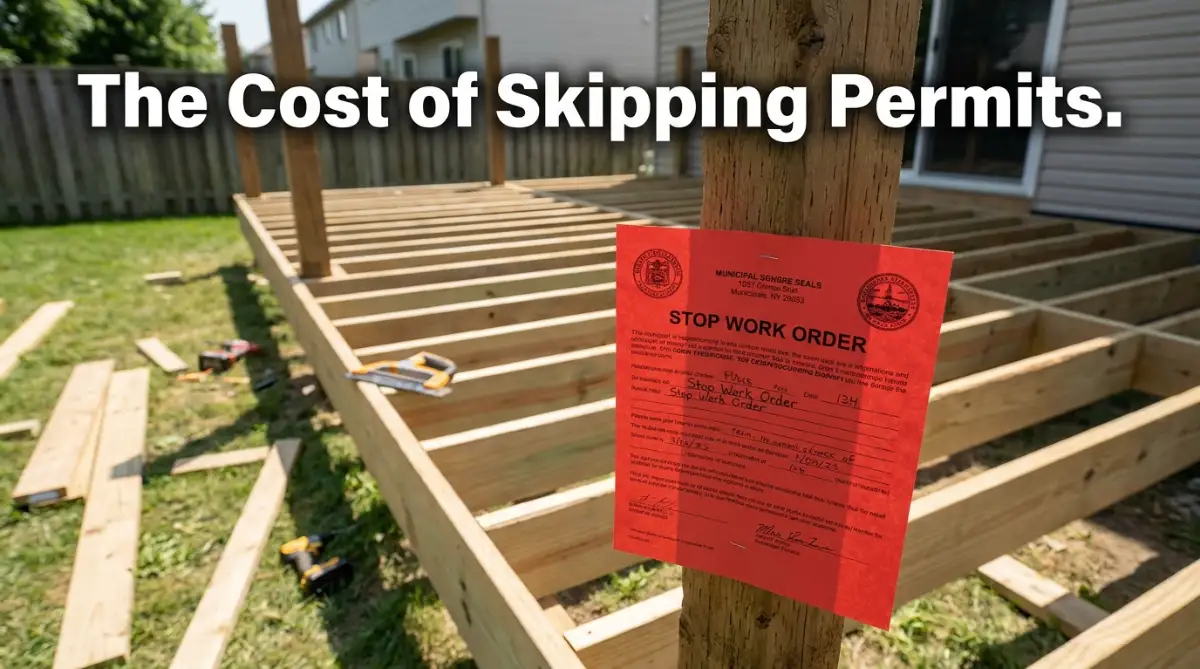
He handed me a bright red piece of paper that completely froze my entire world. It was a formal stop-work order, followed by a massive financial fine for building without a city permit. I was completely shocked because I honestly believed that since I owned the land, I could build whatever I wanted. That single innocent assumption cost me thousands of dollars and months of horrible legal headaches.
This terrifying scenario happens to thousands of innocent homeowners every single day across the country. You save up your hard-earned money to improve your living space, completely unaware of the invisible rules surrounding your property. The sudden realization that you might have to tear down your beautiful new project is emotionally devastating.
Normal people face an incredible amount of stress when dealing with local city governments and strict neighborhood regulations. You spend your nights worrying about whether your neighbors are going to report your new fence or your modified driveway. Every time an official-looking vehicle drives slowly past your house, you feel a sudden spike of anxiety.
This constant fear of getting caught completely ruins the mental peace you are supposed to feel in your own home. Instead of enjoying your weekend renovation projects, you feel like a criminal trying to hide things in plain sight. The confusing legal terms and complex application papers make most people want to give up entirely.
But you do not have to live in fear of the local building authority anymore. Once you actually understand how these neighborhood rules work, the entire process becomes surprisingly simple and highly predictable. Let us break down exactly how you can protect your property, your bank account, and your personal peace of mind.
The Invisible Borders Around Your Property
When you buy a piece of real estate, you receive a map showing the physical corners of your land. However, there are completely invisible borders inside your property that dictate exactly where you can and cannot build. These invisible boundaries are known as property setbacks.
A setback is a specific distance that you must maintain between your new structure and the edge of your property line. For example, your city might require a ten-foot setback from your back fence. If you build a storage shed nine feet away from the fence, you are technically breaking the law.
Cities enforce these strict rules to ensure that neighborhoods do not become dangerously overcrowded. They want to make sure fire trucks can easily access the back of your house during an emergency. Setbacks also prevent your tall structures from blocking the natural sunlight that your neighbors deserve to enjoy.
Before you dig a single hole or buy any materials, you must find out your exact property setbacks. You can usually find this information by looking up your specific address on your local county website. Knowing these limits beforehand is the ultimate secret to avoiding heartbreaking tear-downs later.
The Difference Between City Rules and HOA Demands
One of the most confusing things for new property owners is understanding who actually makes the rules. If you live in a planned community, you likely have to deal with a Homeowners Association (HOA). It is extremely important to know that your HOA and your local city government are two completely separate powers.
Your HOA mainly cares about the visual aesthetics and the overall cosmetic harmony of the neighborhood. They want to know what color you are painting your front door or what type of shingles you are using. The city, on the other hand, strictly cares about structural safety, electrical wiring, and proper plumbing codes.
Pro Tip: I completely ruined a project once because I thought getting an approval letter from my HOA meant I was legally cleared to start building. I quickly learned the hard way that you must satisfy the HOA for the looks, and then immediately apply to the city for the actual safety permits. Never assume that one approval magically covers the other.
Why the City Actually Cares About Your DIY Project
It is very easy to look at the permitting office as just another greedy way for the government to take your money. We often think, "Why should I pay a fee just to replace the plumbing under my own kitchen sink?" But the reality behind these building codes is deeply rooted in public safety and scientific engineering.
If you install a water heater incorrectly, it can literally turn into a highly explosive bomb inside your garage. If you wire a new ceiling fan poorly, it can quietly spark a massive electrical fire while your family is sleeping. Permits exist so a highly trained, neutral expert can double-check your work for deadly mistakes.
Are you confused about when you actually need to call the city? Watch this simple breakdown of projects that always require a permit.
When the inspector comes to your house, they are not trying to be a bully or ruin your day. They are using proven scientific standards to ensure your house will not collapse during a heavy storm. Paying for a permit is essentially paying for professional peace of mind.
Uncovering the Hidden Easements in Your Yard
Another invisible trap that catches property owners off guard is something called a utility easement. An easement gives a specific third party the legal right to access a certain part of your private land. The most common examples are massive underground sewer lines or electrical cables buried near the street.
Even though you pay taxes on that exact patch of dirt, the utility company technically controls what happens above it. If you build a beautiful brick retaining wall directly over a city water main, you are taking a massive risk. If that pipe ever bursts, the city has the legal right to completely bulldoze your wall to fix their pipe.
Worse yet, they will not pay you a single penny for the damage they cause to your unapproved structure. You can easily locate these easements by looking at the official property survey you received when you closed on the house. Always treat an easement as a total "no-build zone" to keep your investment safe.
The Absolute Nightmare of Selling Unpermitted Work
Many people decide to simply risk it and build their additions quietly in the dark to save a few hundred dollars. They might get away with it for several years without the city ever noticing the changes. But this massive gamble almost always blows up in their face the moment they try to sell the property.
When you accept an offer from a buyer, their bank will send a professional appraiser to evaluate your home. The appraiser will pull the public city records and compare them directly to what they see in person. If the city records say your house has two bathrooms, but you secretly built a third one, the deal stops immediately.
The bank will flatly refuse to give the buyer a mortgage because your property is now considered legally defective. You will be forced to secure a "retroactive permit" to make that illegal bathroom legal again. This process is absolutely agonizing and significantly more expensive than just doing it right the first time.
The city will likely force you to tear open your finished walls so they can inspect the hidden plumbing and wires. You will pay heavy penalty fees, and your buyer will probably walk away out of pure frustration. Skipping a permit today is basically stealing money and peace of mind from your future self.
How to Check Your Exact Zoning Classification
Not all houses are treated equally under the law, even if they sit on the exact same street. Your specific piece of land falls under a designated zoning classification, usually represented by letters and numbers. For example, "R-1" typically means single-family residential, while "C-2" might mean commercial business.
Your zoning class dictates incredibly specific details about how you can use your actual land. It controls whether you can run a small business from your garage or if you can raise chickens in the backyard. It even limits how high you can build a fence or how tall an accessory building can be.
Before you plan any major changes, you need to visit your local city planning website. There is usually an interactive map where you can type in your address and instantly see your zoning code. Once you know your code, you can read the exact rulebook that applies to your specific dirt.
If reading legal documents makes your head spin, simply call the local zoning office on the phone. Explain what you want to do in plain English, and they will tell you exactly what the rules are. Getting this verbal clarification early saves you from spending thousands of dollars on forbidden architectural plans.
Preparing a Winning Permit Application
Applying for a building permit does not have to be a terrifying or overly complicated process. The city just wants a clear, highly detailed picture of exactly what you intend to do. The more organized and professional your application looks, the faster you will get approved.
You do not always need a highly expensive architect to draw your plans for small residential projects. Many cities accept neat, hand-drawn sketches on graph paper for simple things like fences or ground-level decks. The key is to include exact measurements and clearly label the distance to your property lines.
Always include a detailed list of the specific building materials you plan to use for the project. If you are building a deck, specify the exact type of screws and the exact depth of your concrete footings. When the person reviewing your file sees this level of detail, they know you are taking safety seriously.
If your project involves electrical or plumbing work, you will likely need to submit additional specific forms. In many areas, only licensed professionals are legally allowed to pull permits for major electrical panel upgrades. Knowing these boundaries helps you decide when to DIY and when to finally hire a contractor.
Protecting Yourself from Bad Contractors
A major mistake homeowners make is trusting a contractor who says, "We do not need to pull a permit for this." Some lazy contractors hate dealing with city paperwork and want to finish the job as fast as possible. But here is the terrifying reality: the homeowner is the one left holding the ultimate liability.
If the city catches unpermitted work, they do not fine the contractor; they fine you, the property owner. You are the one who will be forced to tear down the unsafe structure at your own expense. A high-quality, trustworthy professional will actually insist on getting permits to prove their work is safe and legal.
Always demand to see the physical paper permit before you let anyone swing a hammer on your property. You should also personally verify with the city that the permit is actually valid and active under your address. Taking this aggressive stance protects you from shady workers who want to cut dangerous corners.
Navigating the Physical Inspection Process
Once your project is underway, the city will require inspections at various critical stages of the build. For example, they must look at the empty holes before you pour concrete, and they must see the wires before you hang drywall. This causes a lot of anxiety, but it is a completely normal part of the process.
To pass these inspections easily, you must strictly follow the approved plans you originally submitted. If you suddenly decide to change the layout halfway through, the inspector will fail you instantly. If you want to make a change, you must formally submit an amendment to the planning office first.
Treat the inspector with absolute respect and professionalism when they walk onto your property. They have a massive checklist to get through, and arguing with them will only make things infinitely harder for you. If you fail an inspection, calmly ask them to explain exactly what needs to be fixed.
Most inspectors are happy to give you precise instructions on how to correct the specific issue. You simply fix the problem, pay a small re-inspection fee, and call them back out to verify the correction. Passing that final inspection is an incredibly satisfying feeling that completely validates all your hard work.
Mastering Advanced Property Regulations Like a Pro
Now that we understand the basic boundaries and permit rules, it is time to look at some advanced strategies. You do not just want to survive a city inspection; you want to maintain a completely flawless legal record for your property. Over the years, I have learned a few massive secrets that completely change how you handle neighborhood restrictions.
One of the most powerful tools you can use is something called a "zoning variance." Sometimes, the strict rules simply do not make any logical sense for your uniquely shaped backyard. A variance is essentially asking the city for special, legal permission to break their normal building rules.
You actually have the right to stand in front of a local zoning board and explain your specific hardship. If a massive oak tree prevents you from putting a shed in the approved spot, you can request an exception. According to the American Planning Association's guidelines on zoning appeals, local boards often grant these requests if you prove it will not harm the surrounding neighborhood.
This process requires a little bit of patience and a tiny application fee, but it is entirely worth the effort. It allows you to build exactly what you want while keeping everything one hundred percent legal on paper. Navigating this local bureaucracy successfully is surprisingly similar to dodging the hidden legal traps that can destroy your new startup. You simply have to learn the specific rules of the game before you start playing.
Another incredibly smart habit is building a physical "Property Compliance Binder" for your house. Every time you get an approved permit, a passed inspection slip, or a structural drawing, put it in this folder. Keep this binder in a fireproof safe right next to your official property deed.
When you eventually decide to sell your home, handing this heavy binder to a potential buyer is a massive flex. It instantly proves to their bank that every single inch of your property is legally documented and completely safe. It builds immense trust and often allows you to ask for a significantly higher selling price.
You should also make a genuine effort to become friendly with the clerks down at the local permitting office. These government workers deal with angry, screaming homeowners all day long. If you walk in with a smile, politely asking for guidance, they will bend over backward to help your application get approved faster.
If you happen to buy a house that already has existing, illegal additions, do not panic immediately. You can actually work with the city to legalize the old structures through an "as-built" permitting process. You are basically taking a proactive approach to fix hidden problems before they completely blow up in your face.
Dealing with old property defects is exactly like figuring out how to buy the best travel insurance for pre-existing conditions. You have to honestly declare the current issues and put the right protective measures in place for the future. The city highly respects homeowners who voluntarily step forward to make their properties safe and compliant.

The Devastating Pitfalls of Property Ignorance
Even smart, well-intentioned people make terrible mistakes when dealing with neighborhood zoning rules. We often rely on bad advice from our friends or terrible assumptions that we read on internet forums. These simple mistakes can easily trigger a terrifying chain reaction that completely drains your family savings account.
The Illusion of the Grandfather Clause
One of the most dangerous traps in real estate is blindly trusting the famous "grandfathered in" myth. People assume that if an illegal structure has been sitting in their yard for twenty years, the city cannot touch it. They think old age magically grants the building permanent legal immunity.
This is an absolutely terrifying misunderstanding of how property law actually works in the real world. If a structure was built illegally in the past, it remains illegal today, tomorrow, and forever. The city can demand you tear down a twenty-year-old unpermitted garage just as easily as a brand new one.
Never purchase a home assuming the massive, unpermitted guest house in the back is somehow legally protected. The official guidance from the US Department of Housing and Urban Development strongly advises buyers to verify all structures against current city records before closing. Assuming you are safe without physical proof is a massive financial gamble you will eventually lose.
Blindly trusting old structures is just like ignoring the truth about employer sponsored insurance. You naturally assume you have a powerful safety net waiting to catch you if things go wrong. But when a crisis actually hits, you suddenly realize you are completely exposed to massive financial damage.
The Expired Permit Disaster
Here is a heartbreaking scenario that happens to thousands of honest DIY homeowners every single season. They do everything perfectly in the beginning by going to the city and paying for all the right permits. They build the project, it looks absolutely beautiful, and they start enjoying their new space.
However, they completely forget to call the city inspector to perform the final, closing inspection. A building permit is not a permanent document; it is essentially a temporary license that has a strict expiration date. If you do not get that final signature of approval, the permit completely expires and becomes entirely worthless.
Years later, when you try to sell the house, the public records will show an "open and expired" building permit. This instantly flags your property as a massive legal liability to any bank trying to issue a new mortgage. You will be forced to pay heavy reactivation fees and face a much stricter inspector just to close the old file.
Starting Neighborhood Border Wars
Your neighbors might wave at you every morning and bring you cookies during the holidays. But the second you start building a heavy wooden fence over their property line, that friendship turns into a vicious legal battle. Relying on an old, rusty metal stake in the ground to determine your property line is a horrible idea.
Before building anything near the edge of your yard, you must hire a professional land surveyor. They use highly advanced GPS equipment to mark your exact legal boundaries with bright orange flags. This completely eliminates any guesswork and physically proves you have the legal right to build in that specific spot.
If you build on your neighbor's land by accident, the court will absolutely force you to tear the structure down. You will lose the cost of the materials, the cost of the labor, and the respect of the people living next to you. The sudden stress of these unexpected financial losses is exactly why you must learn how to stop stress buying and finally stick to your debt reduction goals. Proper planning prevents emotional spending panics.
Believing Interior Work is Invisible
Many people think that because the city cannot see inside their house, they can do whatever they want behind closed doors. They knock down load-bearing walls to create open-concept kitchens without telling a single soul. They rewire their entire basement, assuming their secret is perfectly safe from the outside world.
The terrifying reality is that massive interior changes are rarely kept a secret forever. According to remodeling data from the National Association of Home Builders, major structural changes almost always require a fresh permit for safety reasons. If an unpermitted interior wire sparks a house fire, your homeowner's insurance company will immediately launch a deep investigation.
When the insurance adjuster discovers you did massive electrical work without a city permit, they will completely deny your claim. You will be left staring at a pile of ashes without a single dollar of financial support. You must follow the rules inside your house just as strictly as you follow them in your front yard.
Designing a Safe and Legally Protected Home
Understanding how city zoning and building permits actually work gives you an incredible superpower. You no longer have to live in constant fear of a sudden knock on your front door. You can confidently improve your living space knowing that everything you build is legally protected and structurally sound.
We put so much effort into finding the perfect neighborhood with the best schools and the quietest streets. We spend months learning unlock your dream home low deposit condo mortgages explained just to get our foot in the door. It makes absolutely zero sense to risk that massive investment by skipping a simple two-hundred-dollar building permit.
Treat the local planning department as your personal safety partner rather than your enemy. They exist to make sure the roof over your family's head does not collapse during the next heavy snowstorm. Embracing their rules actually adds massive, documented financial value to your property over the long run.
While you might be focusing on how to monetize a niche website safely and build consistent income, do not forget that your house is likely your biggest physical asset. Keeping it legally compliant is the best way to secure your family's financial future. Every single dollar you invest in doing things the right way will return to you when it is time to sell.
I know how frustrating it feels to stare at complicated paperwork when you just want to start painting walls. But I can promise you, the deep peace of mind that comes with an approved project is completely worth it. Take a deep breath, follow the local rules, and start building the home you have always dreamed of.
Common Questions About Neighborhood Building Rules
Do I need a city permit to paint my house or change the carpet?
No, basic cosmetic changes generally never require a building permit from the city government. Painting, swapping out carpets, or changing minor light fixtures are considered standard home maintenance. However, if you live in a strict HOA community, you might still need their permission to change exterior paint colors.
Can my neighbor force me to tear down my new storage shed?
If you built the shed completely legally with approved permits and proper setbacks, your neighbor cannot do anything about it. However, if you skipped the permit process or built too close to the property line, they can report you. The city will then step in and legally force you to remove the unpermitted structure.
How long does a standard building permit actually last?
Most residential building permits are completely valid for about six months to one full year from the issue date. The clock usually resets every time an official inspector comes out and approves a new phase of the project. If you stop working entirely and the time runs out, you must pay a fee to renew the permit.
What exactly happens if I buy a house with hidden unpermitted work?
When you legally purchase the property, you unfortunately inherit all of its existing legal problems. If the city later discovers an unpermitted bathroom, they will hold you directly responsible for fixing it, not the previous owner. This is why paying for a highly detailed home inspection before closing is absolutely non-negotiable.
Can the city legally enter my backyard without my permission?
In most standard cases, a city code enforcement officer cannot just jump your locked fence without a warrant or permission. However, they are legally allowed to document any violations they can plainly see from the public street or a public alleyway. If a neighbor invites the inspector into their yard, they can legally look over the fence into yours.
Disclaimer: The information provided in this article is for educational, informational, and general property planning purposes only. It does not constitute official legal, real estate, or structural engineering advice. Zoning laws and building codes vary drastically by city, county, and state; always consult your local planning department and a licensed real estate attorney before starting any construction project or purchasing a property.