The Breaking Point Inside a Tiny Apartment
I remember sitting at my tiny kitchen table, staring blankly at a brick wall just outside my apartment window. My rent was incredibly high, eating up almost half of my monthly paycheck before I even bought groceries. I was working a fully remote job, yet I felt completely chained to a noisy, expensive city. Every morning, I would wake up to the loud sounds of sirens and garbage trucks ruining my peace of mind. I realized I was paying a premium price for a city lifestyle I did not even have the energy to enjoy anymore.
This is the exact breaking point that thousands of remote workers are facing right now across the country. They log into their computers from cramped apartments, feeling isolated despite being surrounded by millions of people. The daily financial pressure creates a heavy, invisible weight on their shoulders that simply never goes away. You work incredibly hard every single day, but your bank account barely seems to grow.
Imagine waking up every day and immediately stressing about how you will afford next month's utility bills. You walk outside to grab a simple cup of coffee, and it costs you an unreasonable amount of money. The constant noise, the endless traffic, and the aggressive crowds slowly drain your emotional battery. Your home is supposed to be a safe resting place, but instead, it feels like a very expensive storage unit for your bed.
People are starting to ask themselves why they are suffering just to hold onto a big city zip code. They miss having a quiet place to think, a small patch of green grass, and friendly neighbors who actually say hello. This intense desire for mental peace is driving a massive cultural shift that nobody saw coming. Instead of moving to other crowded tech hubs, remote workers are quietly packing their bags and heading to the middle of the country.
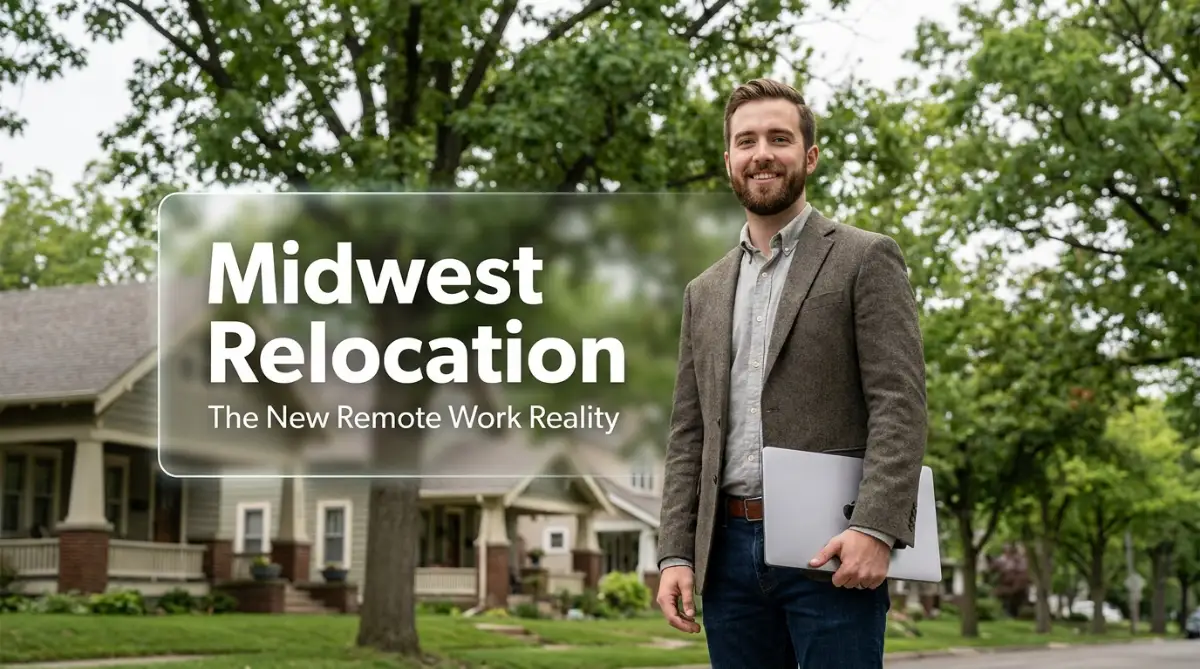
They are trading their tiny concrete boxes for spacious homes with front porches and massive backyards. This is not just a random real estate phase; it is a deep psychological search for a better quality of life. The connection between our physical environment and our mental health is finally taking the spotlight. We are going to break down exactly why this unexpected migration is happening and why it makes perfect logical sense.
The Financial Awakening of the Modern Worker
For decades, we were taught that moving to a massive coastal city was the only way to build a successful career. You had to accept the terrible housing prices if you wanted to work for a good company. But the sudden rise of digital workspaces completely destroyed that old set of rules. You can now earn a high-tier salary while sitting literally anywhere with a decent internet connection.
Stopping the Endless Rent Burn
When your physical location no longer limits your income, you suddenly start looking at your expenses differently. Remote workers are realizing that paying thousands of dollars for a tiny studio apartment is actually a terrible financial strategy. It feels a lot like pouring your hard-earned cash directly into a burning fire every single month.
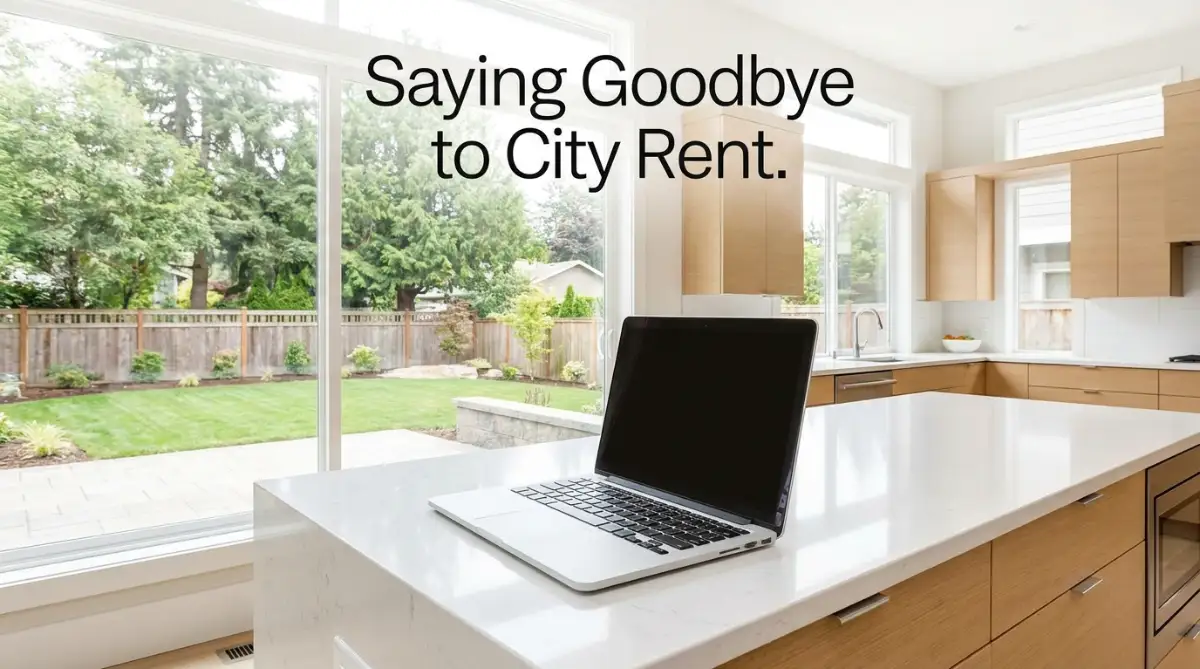
Let us compare a typical scenario that many people face today. You might pay heavily for a 500-square-foot apartment in a major coastal city, dealing with broken elevators and loud upstairs neighbors. For that exact same monthly payment, you can rent an entire three-bedroom house in a quiet Ohio or Indiana suburb. You instantly gain a private garage, a dedicated home office, and a backyard where you can actually breathe fresh air.
This financial math is completely impossible to ignore once you see it on paper. By simply changing their geographic location, remote workers are giving themselves a massive, instant pay raise. They are using that extra money to finally pay off student loans, invest in the stock market, or travel the world. The financial freedom they gain instantly removes the heavy chest anxiety they used to feel every morning.
The Psychology of Owning Your Space
Renting in a highly competitive market keeps you in a permanent state of psychological survival mode. You are always worried that your landlord will raise the rent or decide to sell the building unexpectedly. This lack of stability prevents you from truly relaxing and feeling grounded in your own life.
When people move to affordable midwestern towns, the dream of actually owning a home becomes very real. Buying a house gives you a deep sense of personal security that completely changes your brain chemistry. You can paint the walls any color you want, adopt a dog without asking permission, and finally plant a garden.
This shift from surviving to actually thriving creates a powerful boost in daily happiness and productivity. When your basic human need for shelter is securely met, your brain stops worrying about the future. You become a much better worker, a better partner, and a much happier human being overall.
Escaping the Extreme Hustle Culture
Big cities are famous for their aggressive, non-stop energy that constantly demands your full attention. Everyone is always rushing somewhere, talking loudly about their next big project, and glorifying severe burnout. When you live in that environment, you unconsciously absorb that high-stress energy into your own nervous system.
You feel guilty if you try to take a simple nap on a Sunday afternoon because everyone else is out working. The midwest offers a completely different rhythm of life that is incredibly healing for tired remote workers. The culture here naturally prioritizes family time, outdoor hobbies, and simply enjoying a quiet evening at home.
Are you feeling exhausted by the constant pressure of city living? Watch this excellent breakdown of why slowing down actually improves your focus.
When you step away from the extreme hustle, you realize that resting is not a sign of weakness. You start taking proper lunch breaks away from your computer screen because the environment encourages you to slow down. This mental separation between work and personal life is exactly what cures deep professional burnout.
Building the Ultimate Dedicated Workspace
Working from a kitchen table or a living room couch seems fun for the first few weeks. However, over time, blending your relaxation space with your workspace causes massive psychological confusion. Your brain never truly knows when it is time to turn off and relax because your computer is always staring at you.
When you move to a more affordable location, you can finally afford a home with an extra bedroom. Having a dedicated office behind a closed door is an absolute game changer for your mental boundaries. You can physically walk out of the room at five o'clock and completely leave your work stress behind.
Pro Tip: I remember thinking I would be bored out of my mind if I left the bright city lights behind. But within just two weeks of having my own quiet office room, my daily anxiety almost completely disappeared. I finally had the mental energy to actually read books and cook dinner instead of ordering expensive takeout.
The Healing Power of Green Spaces
Humans were simply not designed to live completely surrounded by grey concrete and loud traffic noises. Science consistently shows that spending time in natural green spaces significantly lowers cortisol levels in your brain. Cortisol is the primary stress hormone that causes anxiety, weight gain, and poor sleep quality.
In a dense city, finding a quiet patch of grass usually requires a long, annoying subway ride to a crowded park. In the midwest, that green space is literally waiting for you just outside your back door. You can take a quick five-minute break during your workday to step outside, hear the birds, and instantly reset your mind.
This daily connection to nature acts as a natural pressure valve for your nervous system. When you have a highly demanding video call, you can look out a large window at a beautiful tree instead of a brick wall. These tiny visual moments of peace compound over time, making you significantly more resilient to daily work stress.
Discovering True Community Connection
One of the strangest paradoxes of city living is how incredibly lonely it can actually be. You might share a building with hundreds of people, but you never learn their first names. People keep their heads down, wear their headphones, and aggressively avoid making eye contact with strangers.
When remote workers relocate to smaller suburban towns, they often experience a massive culture shock in the best way possible. People actually smile at you in the grocery store line and strike up completely normal conversations. Your neighbors might drop off some extra tomatoes from their garden or offer to help you shovel snow in the winter.
This natural human connection is exactly what remote workers deeply crave after sitting alone on digital calls all day. You start feeling like you are actually part of a living, breathing community instead of just a face in the crowd. You join local clubs, attend weekend farmers markets, and quickly realize that friendly human interaction is entirely free.
Redefining What Success Looks Like
For a very long time, society measured success by how busy you were and how expensive your address was. We bought into the idea that working yourself into the ground was a badge of honor to show off. The current migration trend proves that intelligent people are completely rejecting this outdated definition of success.
Success is no longer about fighting traffic for two hours just to sit in a shiny glass office building. Success is having the freedom to take a quiet morning walk with your dog before you open your laptop. It is about having enough leftover money at the end of the month to actually enjoy your hobbies and passions.
Remote workers are taking back control of their time, which is the only resource we can never buy more of. Moving to a beautiful midwestern suburb is a highly strategic move to optimize happiness over perceived status. People are finally realizing that nobody actually cares about your fancy city zip code if you are completely miserable living there.
The Flexibility to Travel More Often
Here is a brilliant secret that many relocated workers discover very quickly after moving. When your monthly living expenses drop dramatically, your entertainment and travel budget suddenly explodes. You no longer have to skip family vacations just because you need to pay your massive city rent.
Many midwestern cities have fantastic, easily accessible international airports located just twenty minutes away from quiet suburbs. Because you are saving so much money on your basic living costs, you can afford to book flights much more frequently. You can easily fly back to the big city for a weekend trip whenever you miss the expensive restaurants.
You get to enjoy the absolute best of both worlds without carrying the permanent financial burden. You have a quiet, stable home base to return to, and the financial freedom to explore the globe whenever you want. This incredible balance is exactly why the remote work relocation trend is not slowing down anytime soon.
Designing a Sustainable Suburban Remote Life
Making the decision to leave a crowded coastal city is only the first part of your journey. Many people experience a massive initial high when they first unlock the front door of their new midwestern home. However, maintaining that happiness requires a deliberate shift in how you structure your daily routines.
You cannot simply copy and paste your old city lifestyle into a quiet suburban neighborhood. If you try to live exactly the same way, you will quickly feel bored, isolated, and completely out of place. You have to actively build a new identity that embraces the slower, more intentional rhythm of the area.
One of the biggest secrets to long-term relocation success is immediately establishing physical community ties. In a massive city, you can easily hide in a crowd and remain completely anonymous for decades. In smaller midwestern towns, your neighbors actually want to know who you are and what you do.
Do not hide inside your beautiful new home office all day just because you have the space. Go to the local coffee shops, introduce yourself to the owners, and actually strike up conversations with the regulars. Volunteering for a local charity or joining a neighborhood committee is the fastest way to build a genuine support system.
When you suddenly have a much lower cost of living, you will find yourself with an abundance of extra free time. You are no longer working massive overtime hours just to cover an outrageous monthly rent payment. This is the perfect opportunity to learn how to monetize a niche website safely and build consistent income using your new home office.
Many remote workers use this geographical shift to completely reinvent their physical health habits. You finally have a large kitchen to cook proper meals and safe, quiet streets to jog on every morning. Some women use this peaceful environment to focus on their wellness, exploring safe weight loss supplements for women over 40 while adopting a healthier lifestyle.
Another massive advantage is the ability to finally enter the real estate market without draining your entire life savings. Renting forever offers zero long-term stability, especially when you are trying to build generational wealth. If you are looking to plant permanent roots, taking time to unlock your dream home low deposit condo mortgages explained will give you incredible confidence.
We also have to talk about protecting your professional visibility when you are hundreds of miles away from headquarters. There is a very real psychological bias called "out of sight, out of mind" in the corporate world. You have to be incredibly proactive about communicating your daily achievements to your managers.
According to research published by the National Bureau of Economic Research on remote work productivity, consistent digital communication is non-negotiable. You should over-communicate your project updates and schedule regular video check-ins just to say hello. You want your boss to feel like you are sitting right next to them, even if you are entirely in a different time zone.
Make an effort to turn your camera on during meetings, and invest in a high-quality microphone for your new office. Your digital presence is now your physical presence, so you need to look and sound like a true professional. A clean, well-lit background in your new home subtly shows your team that your relocation was a massive success.

The Dangerous Illusions of Moving Away
While moving to the Midwest sounds like an absolute dream, the transition is definitely not a magical cure for all your problems. People often run away from their current situations blindly, assuming the grass is automatically greener everywhere else. This desperate mindset leads to several massive mistakes that can turn your suburban dream into an expensive nightmare.
The biggest trap people fall into is completely ignoring the reality of midwestern winter weather. Visiting a beautiful suburb in the middle of a sunny July weekend gives you a very false sense of reality. You might fall in love with the green trees and the friendly parks, completely forgetting about January.
When the snow starts falling heavily, the social dynamics of these smaller towns change dramatically. If you are not mentally prepared for the quiet isolation of winter, you can easily develop severe seasonal depression. The American Psychological Association explains how seasonal changes impact mental health, warning that sudden geographical shifts often trigger unexpected emotional drops.
Another terrifying mistake is failing to understand the complex tax laws of remote work. Just because your company is based in New York does not mean you simply pay New York taxes while living in Ohio. Different states have very aggressive rules about where your income is actually earned and taxed.
If you do not consult a professional accountant before you move, you could end up owing massive tax penalties to two different states. This is surprisingly similar to ignoring the hidden legal traps that can destroy your new startup. You assume everything is perfectly fine until a terrifying government audit completely ruins your financial peace.
People also make the massive mistake of bringing their big city spending habits into their new affordable life. You move to save money, but suddenly you start ordering expensive home furniture and upgrading your cars simply because you can. Instead of building real wealth, you just shift your money into a different category of useless debt.
You must protect your new financial freedom fiercely by learning how to stop stress buying and finally stick to your debt reduction goals. The goal of moving is to create a peaceful safety net, not to fill a bigger house with more expensive junk. Keep your lifestyle incredibly simple for the first year until you truly understand your new local economy.
Healthcare is another massive blind spot that catches relocated remote workers completely off guard. Your current company health insurance might have amazing coverage in your home city, but zero approved doctors in your new midwestern town. Finding out your insurance is completely useless during a medical emergency is an absolutely terrifying experience.
You have to dig deep into your policy and understand the truth about employer sponsored insurance before signing a new lease. Call your insurance provider and demand a list of in-network hospitals near your new zip code. If the network is entirely empty, you might have to purchase a separate, expensive private policy just to stay safe.
We also see people completely panic when their skin and body react to a completely different climate. Moving from a humid coastal city to a dry, windy midwestern plain will aggressively shock your skin barrier. You might find yourself frantically searching for how to safely erase dark marks without irritating your face because your usual skincare routine has completely stopped working.
Finally, never buy a house in a brand new state without living there as a renter first. The official home buying guidance from the US Department of Housing and Urban Development strongly suggests understanding local neighborhoods before making a permanent financial commitment. Rent a cheap apartment for six months, experience the true local culture, and then decide if you actually want to stay forever.
Writing Your Own Rules for Happiness
The great migration of remote workers to the middle of the country is completely reshaping how we view professional success. We are no longer willing to sacrifice our mental health, our savings accounts, and our family time just to live in a highly stressful concrete jungle. People are finally waking up and realizing that they have the absolute power to choose their own environment.
Moving to a quiet, affordable suburb is a powerful declaration that your personal peace is worth more than a fancy zip code. You are trading loud traffic for morning bird songs, and tiny apartment kitchens for massive backyard barbecues. It is about intentionally designing a daily life that actually feels good to live, rather than just looking good on social media.
I know how incredibly scary it feels to pack up everything you own and drive away from the only city you have ever known. But when I finally drank my morning coffee on my own quiet porch, surrounded by actual trees, every single ounce of fear completely vanished. Take that brave first step toward your peace today, because a beautiful, stress-free life is absolutely waiting for you right now.
Real Questions About Midwestern Relocation
Will my employer cut my salary if I move to a cheaper area?
This heavily depends on your specific company's internal human resources policy regarding remote work. Some large corporations strictly adjust salaries based on local cost of living indexes, while others pay a flat national rate. Always have a totally transparent, written conversation with your manager about compensation before you sign a new out-of-state lease.
How is the internet speed in smaller midwestern towns?
The internet infrastructure in the Midwest has improved massively over the last five years. Many small towns and rural suburbs now have dedicated fiber-optic networks offering lightning-fast gigabit speeds. However, you must specifically verify the connection speeds at your exact new address before finalizing any moving plans.
Is it difficult to make new friends as an adult in the suburbs?
It simply requires a bit more intentional effort than bumping into people at a crowded city bar. Midwestern culture is famously friendly, but you have to actively put yourself in local social situations to meet them. Joining a local gym, attending neighborhood block parties, or joining a hobby club will quickly build your new social circle.
What should I do about my expensive city apartment lease?
Breaking a lease early can be incredibly expensive, often costing two or three months of heavy penalty fees. If your landlord allows it, finding a reliable subletter to take over the remainder of your contract is usually the best financial option. Always read the fine print of your lease agreement carefully to fully understand your legal exit options.
Will my career growth completely stall if I am not in the main office?
Your career will only stall if you quietly fade into the background and stop communicating your value to the team. Remote workers must actively showcase their daily leadership skills, volunteer for new projects, and speak up confidently during virtual meetings. As long as you consistently deliver outstanding results, your physical location will rarely stop your professional advancement.
Disclaimer: The information provided in this article is for educational, informational, and general lifestyle planning purposes only. It does not constitute official legal, financial, or tax advice. Relocating across state lines involves complex tax implications and personal financial risks; always consult a certified public accountant (CPA) or a legal professional before making major geograpphical life changes.